No Digging Required
Skip turning heavy clay or depleted ground. Build upward with a fresh growing medium instead of fighting what's already down there.

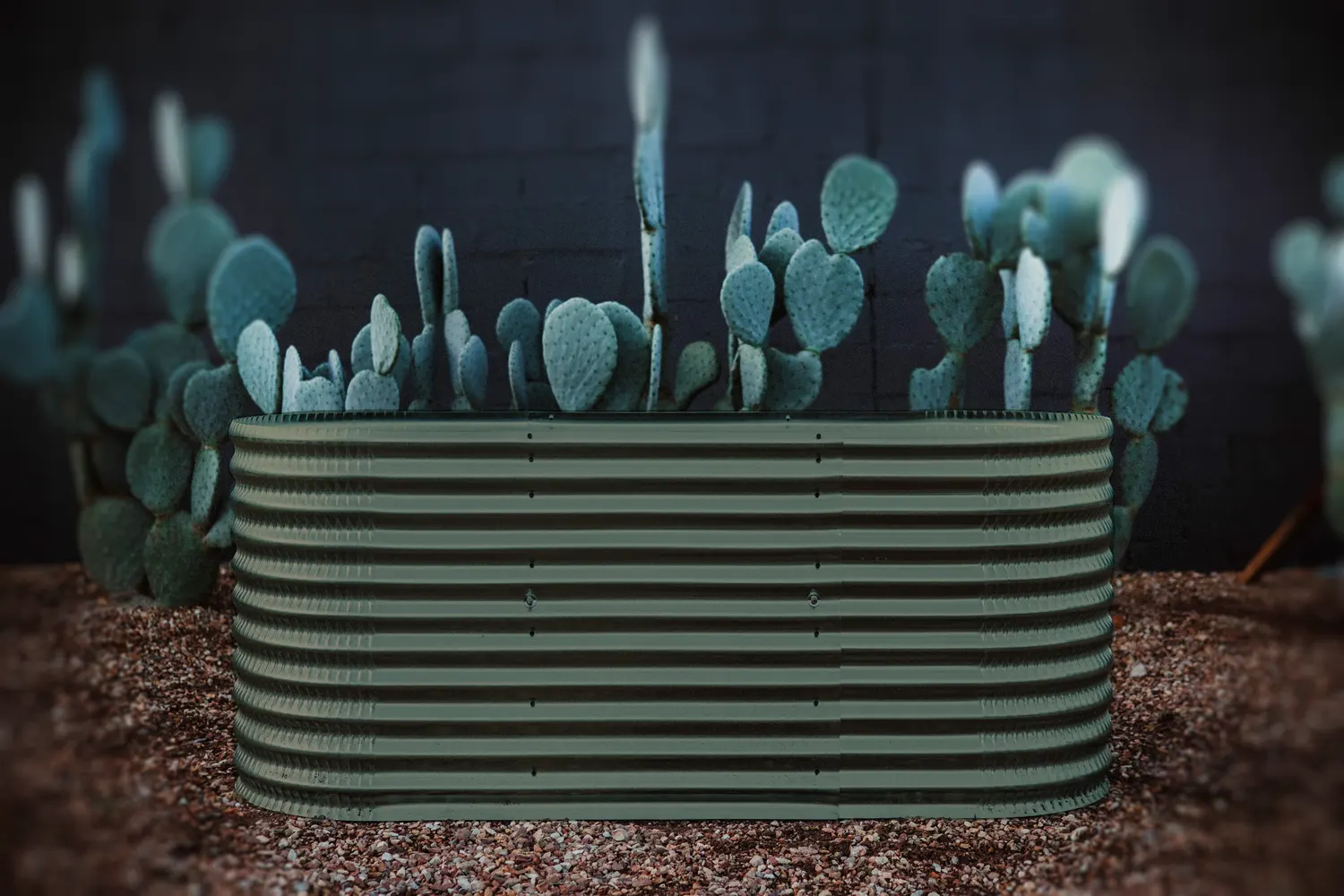
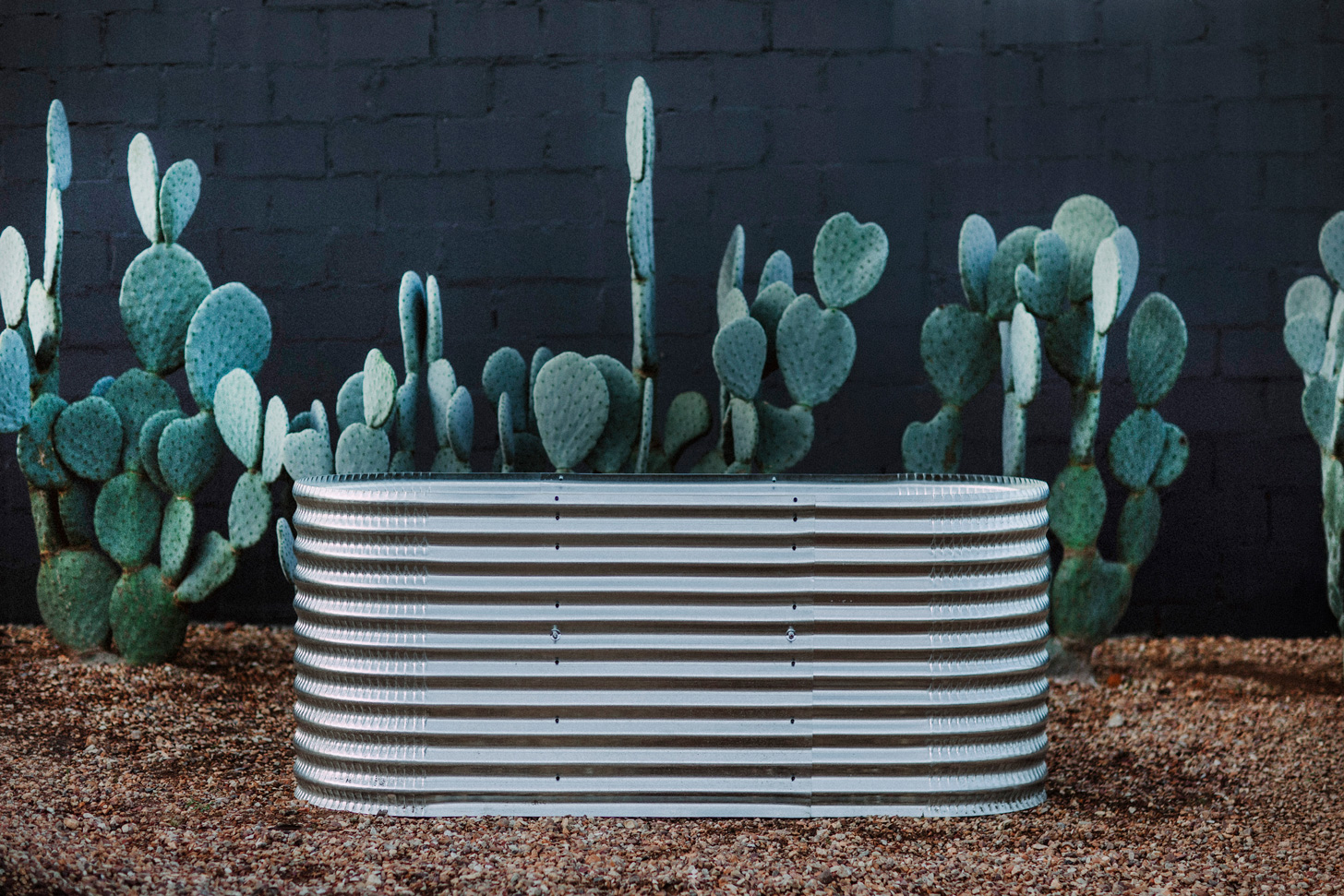
A raised bed is simply a garden lifted off the ground - a steel frame you fill with soil so you can grow herbs, vegetables and flowers anywhere, without digging into the ground beneath it.
Pick a finish and set your length. The price stays the same either way.
Tip: pack the base with branches, logs or offcuts before filling - it cuts down on how much soil mix you need and feeds the bed as it breaks down.
Lifting your garden into a steel frame changes the ground rules. Here's what you gain the moment you stop fighting the soil beneath you.
Skip turning heavy clay or depleted ground. Build upward with a fresh growing medium instead of fighting what's already down there.
Raised above the lawn and out of reach of burrowing pests, your bed stays cleaner with noticeably less weeding through the season.
Steel walls warm quickly in the sun, so soil temperature rises sooner - a head start each spring and better drainage all year round.
Fill in three layers, from garden waste you likely already have up to a finishing layer of compost on top - hügelkultur-style layering that cuts your setup cost dramatically.
This is the layer your plants actually root into, so it's worth getting right. A 50/50 mix of compost and quality potting soil gives a good balance of nutrients and drainage - top up with a handful of organic fertiliser if you're planting hungry vegetables like tomatoes or squash.
This layer does the slow work, breaking down over months to feed the soil above it. Pack it in loosely rather than tamping it down, so air and water can still move through - it'll settle over the first season, which is completely normal.
Untreated wood at the base is the whole trick behind hügelkultur-style layering - it acts like a sponge, holding moisture and slowly releasing nutrients as it breaks down, which means less watering for you down the line. Save this layer for offcuts you'd otherwise throw away.
Tip: leave around 100 mm below the top edge for mulch and watering room once you've finished layering.
Real Plaaslik beds, planted and growing in gardens around the country.
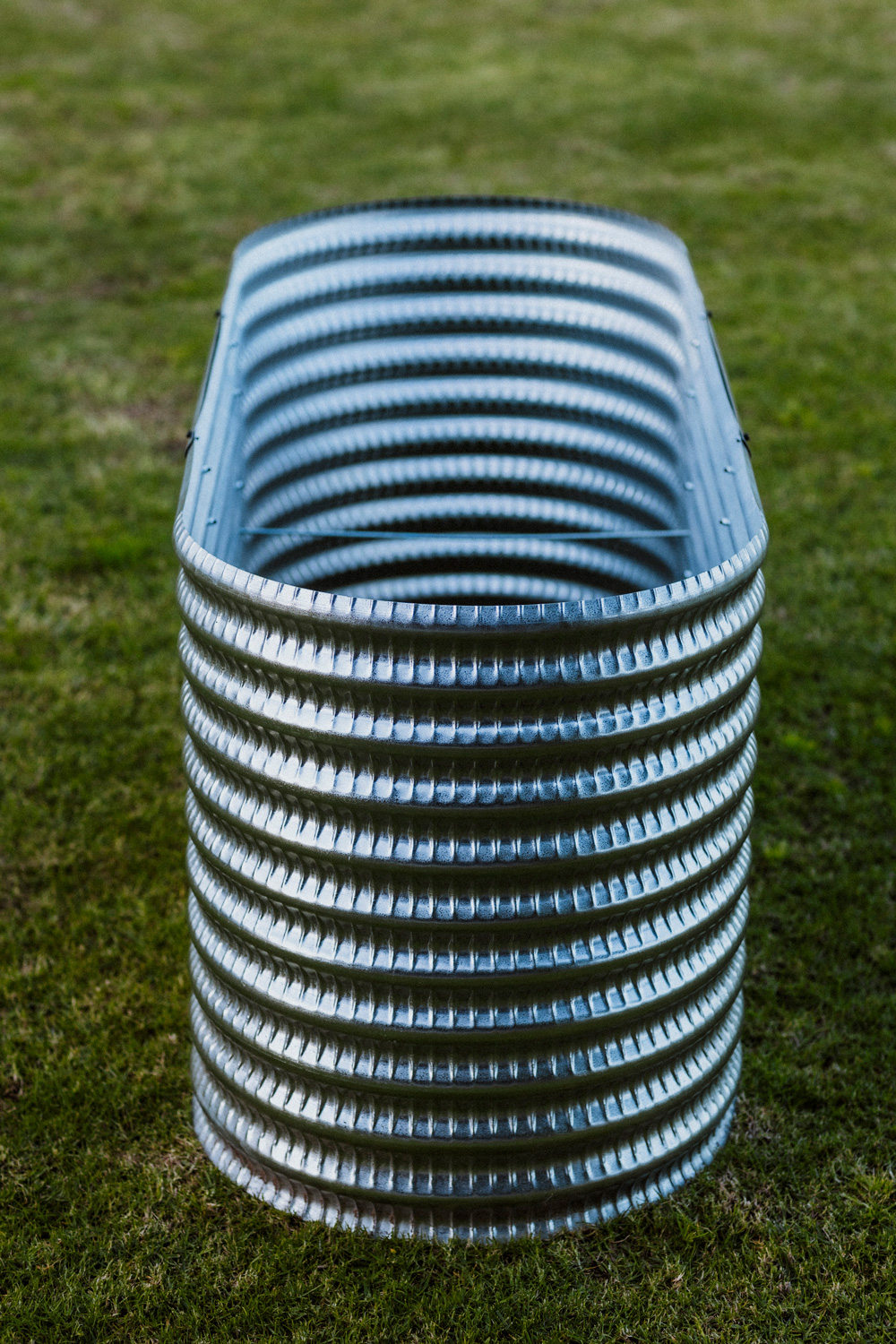
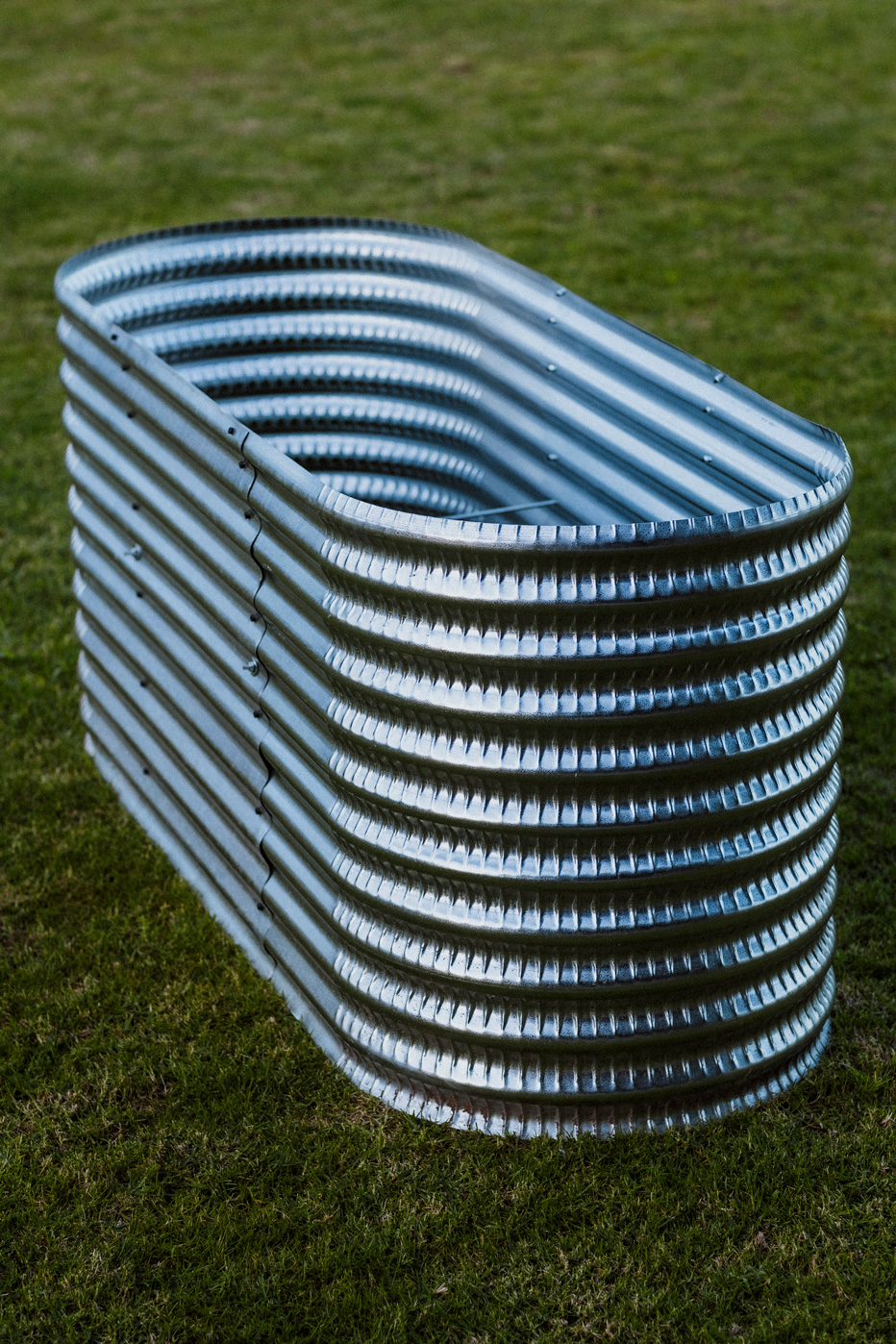
Every Plaaslik frame is designed to accept these accessories as they launch - no need to buy a new bed later on.